Home hardware manufacturer 18+ years

  • Facebook
  • linkedin
  • TikTok
  • youtube
  • Twitter
Leave Your Message

Blog

2026 Top Wardrobe Rail Types How To Fix Wardrobe Rail?

2026 Top Wardrobe Rail Types How To Fix Wardrobe Rail?

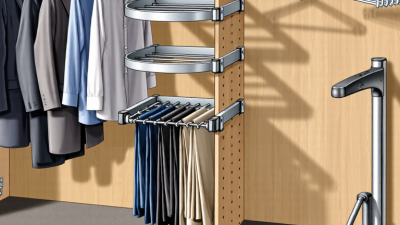
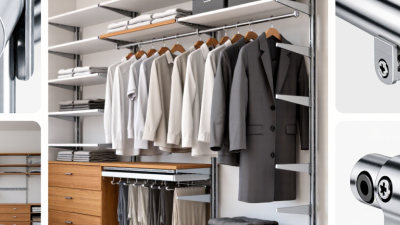
By 2026, wardrobes are getting a lot more flexible in how they store things—but the Wardrobe Hanging Rail is still the quiet hero underneath it all. Honestly, once that rail starts to sag, you’ll see the fallout: clothes get damaged, panels can loosen, and a wardrobe you spent ages planning suddenly feels flimsy. The fix really starts before you buy anything—figure out what kind of rail you have, how it’s fixed, and how much weight it’s actually carrying. “I always check the wall, the brackets, and the weight before I replace a rail,” says Daniel Mercer, a wardrobe installation specialist at Oakline Storage Systems. “A stronger rail won’t make up for a weak fixing point.” That’s the kind of advice worth listening to. A lot of failures begin with loose screws, the wrong wall plugs, or simply cramming in more clothes than the rail was ever rated for. You’ve got plenty of choices, too: round steel rails, oval rails, telescopic rails, flanged rails, and pull-down wardrobe lifts. Steel rails are great for heavier coats. Aluminium ones keep the weight down. Telescopic models can be lifesavers in narrow spaces, but those joints need checking and tightening. Pull-down systems give you easier access, though their hinges and gas struts need regular once-overs. And learning How To Fix Wardrobe Rail should not mean just tightening one screw you can see and crossing your fingers. Take the clothes out first. Look for bending, cracked brackets, movement in the wall, and stripped screw holes. Measure the span properly. Use fixings that match plasterboard, timber, masonry, or stud walls. Don’t assume one anchor will work everywhere. Small details matter. I’ve found that even a perfectly level rail can fail if the centre support is missing. It’s an easy thing to miss. This guide compares the top wardrobe rail types for 2026, then walks through practical repair methods, load checks, and replacement options. Some wardrobes just need a quick adjustment. Others? They need a more honest redesign.
Read more »
Charlotte By:Charlotte - October 15, 2026
China Top Push To Open Door Hardware Suppliers?

China Top Push To Open Door Hardware Suppliers?

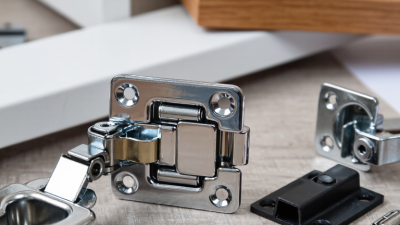
Choosing China's top Push To Open Door hardware suppliers? Honestly, it takes a lot more than scrolling through catalog photos. The real proof shows up later—when a cabinet still opens smoothly after repeated daily use. A quiet push latch, a faceplate that lines up just right, and a return spring that still feels firm? Those are the little clues that tell you whether a factory actually has its process under control. So this guide looks at supplier capabilities, product consistency, and service practices—not just the attractive claims on a website. Possible manufacturers to look at include Guangdong Dongtai Hardware Group, Tallsen Hardware, and other verified Chinese producers with export experience. But don't take their reputation at face value; check samples, factory records, and recent customer feedback before you commit. Material choice matters, too. Zinc alloy works well for many lighter cabinet doors, while reinforced steel can handle heavier applications. A Push Open Door Damper can help reduce rebound and make larger panels feel softer when they move. That said, it isn't a substitute for getting your hinges adjusted correctly. Ask suppliers for cycle-test results, corrosion-test details, dimensional tolerances, and material declarations. And when you request a sample, make sure it uses the exact door thickness, mounting method, and surface finish you'll need in production. Small differences can add up. Packaging is another thing worth paying attention to. If springs aren't protected well or finishes get scratched, you'll end up dealing with claims after shipment—claims nobody really wants. Reliable suppliers will put lead times, replacement procedures, inspection points, and quality responsibilities in writing. Some companies are great at communicating before payment but go quiet after delivery. That's a risk worth being honest about. No supplier is perfect. Even an experienced factory can stumble on a custom design or a sudden material change. So a careful sourcing process usually means combining technical evidence, direct communication, and independent inspection before placing large orders. That's how furniture brands, cabinet manufacturers, and international distributors can make more informed purchasing decisions.
Read more »
Charlotte By:Charlotte - October 14, 2026
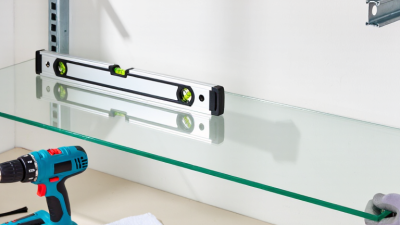
How Do You Support Glass Shelves in Cabinets?

How Do You Support Glass Shelves in Cabinets?

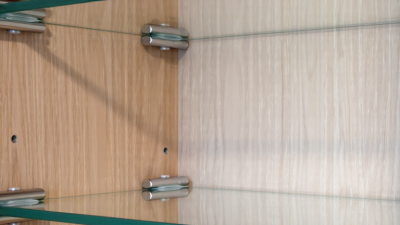
So, how do you support a glass shelf in a cabinet? It sounds like a practical question—and it is—but the answer matters more than you’d think. Get the support right, and you protect the glass, the cabinet sides, and whatever you’re storing. You also stop tiny alignment issues from turning into expensive failures later. Daniel Mercer, a cabinet hardware specialist at Northline Cabinet Hardware, puts it this way: “A glass shelf needs stable contact, even weight distribution, and a support rated for its actual load.” Simple in theory, right? Still, plenty of installations ignore it. A reliable Glass Shelf Support usually combines shelf pins, metal brackets, or purpose-made glass clips. Pick hardware made for tempered glass. Don’t let sharp metal edges touch the shelf. Small rubber pads can help cut down on slipping, vibration, and pressure points—and they also help stop that annoying rattle when the cabinet door closes. Measure the cabinet opening carefully. Check the shelf thickness, the span, and how much weight it’ll actually hold. A long shelf stacked with ceramic plates needs stronger support than one showing off lightweight ornaments. Put the supports at equal heights. Keep them close enough to the side panels, but not so close that getting the glass in becomes a headache. And never assume every glass panel has the same strength. Some shelves are mostly decorative; others are designed for real storage. That difference matters. A little caution goes a long way here. Even a well-installed shelf can fail if it’s overloaded or gets hit on an edge. So check the supports now and then. Look for cracked pads, loose screws, tilted shelves, or chipped glass. If something’s damaged, replace it—don’t try to rig it with cardboard or some random adhesive. Good cabinet design isn’t just about looks. It’s about quiet stability, clean contact, and planning for realistic loads. Honestly, the best support often just disappears from view.
Read more »
Charlotte By:Charlotte - October 12, 2026
China Best Push To Open Latch Supplier?

China Best Push To Open Latch Supplier?

So, finding the best Push To Open Latch supplier in China? It takes a lot more than just comparing catalog prices. A dependable supplier actually understands cabinet structure, door weight, spring tension, installation tolerance—all of it. Small details matter, too. A two-millimeter gap? That can totally change how the door opens. Michael Chen, an independent furniture-hardware engineer with over 15 years in product development, puts it this way: "A reliable latch should disappear in use, but never disappear in quality control." That line says a lot about the standard this industry should aim for. A strong Push To Open Latch should open smoothly, hold its position, and stand up to repeated daily impact. Buyers, meanwhile, should ask for cycle-test records, material specs, surface-finish samples, and installation drawings. China has plenty of capable manufacturers, but their strengths aren’t all the same. Some focus on compact plastic mechanisms. Others make zinc-alloy bodies, adjustable catches, or full cabinet-hardware systems. A serious supplier should explain spring force in plain terms and recommend suitable models for drawers, wardrobe doors, and kitchen cabinets. And yes—they should provide consistent samples before mass production. That said, no supplier is perfect. Even a well-designed Push Open Latch can feel different after temperature changes, paint buildup, or uneven panel alignment. That’s where testing really matters. Factory visits, third-party inspections, and small trial orders can cut down a lot of avoidable risk. The best partner isn’t always the cheapest one. It’s the supplier that answers technical questions precisely, admits limitations, and improves details before shipment. Good hardware is quiet. Poor hardware? You remember it every single day.
Read more »
Sebastian By:Sebastian - October 10, 2026
How to Choose Chrome Wardrobe Tube in 2026?

How to Choose Chrome Wardrobe Tube in 2026?

If you're shopping for a chrome wardrobe tube in 2026, it's not just about shine, diameter, and price. Storage hardware now lives inside a bigger home-organization market—one shaped by smaller rooms, rental living, and people upgrading their interiors way more often. Grand View Research puts home organization in the growing consumer category, helped along by space-saving furniture and modular storage demand. The Freedonia Group also ties closet and storage purchases to remodeling activity and higher expectations for usable household space. A practical pick should start with load behavior. Measure the clear span, work out the clothing weight, and look closely at how the tube meets each bracket. A 25 mm tube can be fine for ordinary shirts and jackets. Heavier coats? They'll need stronger supports and shorter spans. Chrome plating can make things look better and add surface resistance, but it doesn't automatically prove structural quality. Ask about the base metal, coating thickness, salt-spray testing, screw compatibility, and published load ratings. ASTM and EN references can help—though a standard mark by itself isn't enough. The right hardware also has to fit the installation reality. Adjustable Clothes Tube Holder Half-Way Hoisting Bracket 15×30mm Chrome Wardrobe Support Zinc Alloy Rail Bracket Dual-Screw Mount Closet Fixture may describe a useful configuration, but the wording still needs checking. Product names can be all over the place. Before ordering, check drawings, dimensions, fixing points, and independent test evidence. Experienced installers often test one loaded section first. That tiny step can reveal flexing, loose screws, or bracket movement. It's easy to skip, honestly. This guide compares finish, alloy, tube diameter, mounting design, load capacity, and long-term maintenance. It also questions some common buying assumptions. A brighter surface isn't always better. The cheapest rail can end up expensive after you replace it. And reliable evidence matters more than pretty packaging.
Read more »
Amelia By:Amelia - October 9, 2026
What Is a Wardrobe Tube Support 7 Best Options?

What Is a Wardrobe Tube Support 7 Best Options?

So, what exactly is a wardrobe tube support? Basically, it’s that small—but pretty important—fitting that holds clothing rails inside wardrobes, closets, and retail displays. It’s what connects the tube to side panels, shelves, or vertical partitions. Get the support right, and your rail stays steady: less sagging, less wobbling, and shirts, jackets, and trousers stay nicely spaced. It’s also one of those details you don’t think about. Until the rail bends, of course. Industry research actually gives us a good reason to pay more attention here. The Freedonia Group’s Closet Organization Products report tracks steady demand for practical storage systems and replacement parts. Over at Grand View Research, their furniture market analysis points to modular design, smarter use of space, and durable materials. All of that feeds straight into how you choose a wardrobe tube support. Metal grade, tube diameter, fixing method, load capacity, corrosion resistance—they all matter. A support that’s fine for a bedroom wardrobe might not hold up in a busy retail rack. And that distinction gets missed a lot. Design expert William Morris had a handy rule: “Have nothing in your house that you do not know to be useful, or believe to be beautiful.” It fits here more than you’d expect. A wardrobe support should be useful, discreet, and matched to the load it’s actually carrying. Going thickest doesn’t automatically mean going best. That assumption deserves a rethink. In this guide, we look at seven practical solutions, including screw-fixed sockets, concealed brackets, center supports, adjustable fittings, and heavy-duty commercial options. We’ll also clear up the commonly mistyped phrase Wardrobe Tube Tube Support, go over installation details, and point out the mistakes that can shorten service life.
Read more »
Charlotte By:Charlotte - October 7, 2026
2026 Best Door Hinges Are They Universal?

2026 Best Door Hinges Are They Universal?

So, are door hinges truly universal? It might sound like a straightforward question, but once you start digging into real doors, things get a little more complicated. A hinge that works perfectly on your bedroom door might not cut it for a heavier front entrance. The size, thickness, screw pattern, how the door swings, and the material — all of these details really count. Even a tiny mismatch can lead to issues like rubbing, sagging, or unsafe closures. As architectural hardware expert Michael A. O’Brien puts it, “A hinge is only universal until the door, frame, or load shows otherwise.” That kinda sums it up nicely, especially as we look ahead to comparing the best door hinges in 2026. We’re looking at all kinds — residential, commercial, cabinet hinges, and even those fancy specialty ones. We’re also diving into different materials like stainless steel, brass, ball-bearing kinds, spring-loaded, concealed, or adjustable hinges. It’s crazy how some products look almost the same, but their performance can be worlds apart. Honestly, fit is way more important than how it looks. When you’re comparing hinges, sticking to the actual measurements makes all the difference. Things like the hinge leaf size, pin diameter, corner shape, and where the mounting holes go — don’t skip these details. Make sure to also check the weight of your door and how far it opens. For heavy-duty doors like fire-rated ones or those that get a lot of use, it’s always smart to get professional advice. And, trust me, manufacturer specs usually trump those glossy product pictures. Oh, here’s a weird detail — you might notice the phrase “Universal Wardrobe Rail Bracket” popping up near hinge searches online, but that’s actually for a different hardware item altogether. Mixing up these parts can lead to some pretty costly mistakes when you’re buying. Just a heads-up: this guide might not cover all regional fitting standards, and honestly, that’s fair to mention. Still, it’s a solid starting point for homeowners, DIYers, and anyone hunting for reliable info in 2026. The best hinge isn’t necessarily the most “universal” one. It’s the one that fits your door just right, plain and simple.
Read more »
Sebastian By:Sebastian - October 3, 2026
7 Tips How To Support Shelf In Cabinet?

7 Tips How To Support Shelf In Cabinet?

A sagging cabinet shelf can really make a nicely designed kitchen feel kinda sketchy, like you can't totally trust it. Usually, the trouble starts with weak joints, supports that aren’t quite in the right place, or just too much stuff piled on the shelves. Learning how to properly support a shelf in your cabinet isn't just about chucking in an extra pin here and there. You’ve gotta think about what material your shelf is made of, how far it spans, the construction of the cabinet itself, and how heavy your dishes, books, or appliances are pulling down on it. Tom Silva, a seasoned carpenter known for his straightforward renovation tips, once said, ‘A shelf is only as strong as how well it handles weight into the cabinet.’ That’s pretty much the core idea here. So, in this guide, I’ll walk you through choosing the right cabinet shelf support pins, placing them correctly, and reinforcing shelves that you know are gonna take some serious load. Little details really do count — a pin placed just a few millimeters off level can cause that shelf to wobble, and even a robust-looking hardware setup can fail if the shelf itself is made from cheap particleboard. Always measure twice — seriously. Then, once you think you’ve got the fit right, do a quick test before loading it up. These seven tips I’m sharing are all about safe, tried-and-true methods used by experienced cabinet installers. We're talking about pin size, how deep to drill, checking the side panel’s strength, adding center supports, protecting the edges, and testing the load capacity. Whether you’re working on kitchen cabinets, wardrobes, office storage, or custom pieces, these pointers will help. But, keep in mind, not every method works perfectly for every cabinet, especially older ones. I’ve seen shelves look solid until someone loads them with a heavy stack of plates, and suddenly, the weakness shows. That’s why it’s so important to inspect things carefully before installing. An effective support system can really make the difference — protecting your shelves, your cabinets, and ultimately, the people using them.
Read more »
Amelia By:Amelia - October 1, 2026
2026 How to Choose the Right Glass Shelf Support?

2026 How to Choose the Right Glass Shelf Support?

Picking out the right Glass Shelf Support in 2026 isn't just about matching finishes or scrolling through product photos. You really need to think about whether it fits the thickness of your glass, the depth of your shelf, how much weight it'll hold, the surface you're fixing it to, and the room conditions. For example, in a bathroom where moisture is common, coatings can quickly wear down if they're not tough enough. And in a retail display, repeated loading or pulling can show if the anchoring isn't solid enough. Honestly, all those small details matter more than you'd think. The fit really is everything. Industry data actually supports this careful approach. A report by Grand View Research mentioned that the global glass market was worth over USD 100 billion in 2023 and is expected to keep growing through 2030. The data points to more use in construction, interior design, and commercial spaces. Another source, MarketsandMarkets, highlights architectural glass as a hot segment, especially with the rise of modern retail and residential styles. But here’s the kicker—those numbers show demand, not necessarily quality. Big difference, right? Market reports can vary a lot—they use different methods, focus on different regions, and have their own forecasting assumptions. So, when you're choosing a support, it really pays off to combine manufacturer testing with your own experience on-site. Make sure to check the load ratings, the hardware used for fixing, protection for the edges, corrosion resistance, and whether it’s compatible with tempered or laminated glass. ASTM standards can help you with safety guidelines, but at the end of the day, you’ve gotta test things in real life, too. A loaded-up shelf with books will behave differently than one holding perfume bottles. Even a sturdy-looking bracket might fail if you’ve installed it into weak drywall—that’s a detail easy to overlook. A solid guide for 2026 shouldn’t be based just on looks or product labels. Take a close look at data sheets, installation instructions, and any independent tests available. Sometimes, real-world setups will reveal issues brochures can’t show. The best choice balances safety, looks, how long it’ll last, and how you actually plan to use it. And hey, mistakes happen—measurements can be rushed or imprecise. That’s why double-checking everything is always the safer move, no matter how tempting it is to skip that step.
Read more »
Sebastian By:Sebastian - September 29, 2026
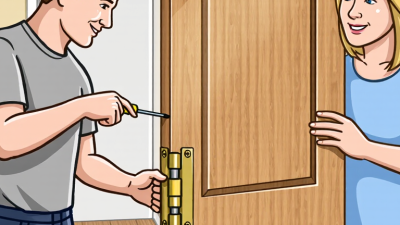
7 Best Ways to Fix a Loose Door Hinge?

7 Best Ways to Fix a Loose Door Hinge?

Ever notice that little hints a door gives off before it actually gives in? Like the latch screeching a bit when you close it, the top corner hanging down just a tad, or that tiny rattle you feel when shutting the door? It’s easy to ignore these signs, thinking they’re nothing. But a door that’s starting to sag can put lots of stress on its frame, mess up the paint, and make fixing it a real pain down the line. So, when you're wondering how to fix a loose door hinge, remember—it’s all about figuring out what’s really going on first, not just tightening every screw you see. Household repairs are a big deal, right? According to the Harvard Joint Center for Housing Studies, homeowners in the U.S. spent around $472 billion on home improvements and fixes in 2022. Now, that number doesn’t scream “hinge problems,” but it definitely points out how important regular maintenance is. When it comes to a loose hinge, the best fix depends on what you find: maybe a screw that’s come a bit loose, a worn-out screw hole, or a damaged hinge itself. Sometimes, all you need is a screwdriver. Other times, it’s not that simple. This guide walks you through seven ways to deal with a loose door hinge—from tightening things up to repairing stripped holes or even swapping out an entire hinge. Start by grabbing a flashlight and taking a good look at the screws, the hinge leaves, and the edge of the door. Pay attention to any movement where the hinge meets the frame. And hey, if a screw keeps spinning without catching, don’t just force it—trying to grip it tighter can actually make the hole worse. Most folks can manage these steps on their own, but if your door’s really heavy or hanging badly, getting a second set of hands might be a good idea. Bottom line: do a careful diagnosis first, then take it from there.
Read more »
Amelia By:Amelia - September 28, 2026
Why Learn How to Install Glass Shelf Brackets?

Why Learn How to Install Glass Shelf Brackets?

Learning how to install glass shelf brackets isn’t just about making your shelf look tidy. It’s really about understanding how all the parts—glass, brackets, wall, and what you plan to put on it—work together. Taking your time with the installation can actually save you headaches down the line—like keeping your everyday stuff within easy reach and avoiding wobble or putting too much stress on the glass. Small details, honestly, they matter more than you might think. This guide will walk you through choosing the right easy-install shelf brackets, reading the manufacturer’s instructions, and planning where to support the shelf before you even start drilling. You’ll also see why different wall materials—like drywall, masonry, or timber—matter. You can’t just assume one anchor will work for everything. Having a level, tape measure, pencil, and the right drill makes the whole process way smoother. And don’t forget to check the shelf’s size and weight limit before loading it up! Patience is key here. Marking the holes twice might seem like overkill, but trying to fix a crooked shelf afterward can be a real pain. Make sure to protect the glass—slide it onto a soft, flat surface—and tighten the brackets just enough, but not too much. Cranking down too hard can crack or damage the glass, while too loose can make the whole thing unstable. A polished-looking shelf can sometimes hide a shaky installation, so it’s worth double-checking those wall connections before you start using it. It’s a small step that can save you trouble later. The tips ahead will give you practical ways to check everything, and it’s totally okay to pause and reconsider if your wall or brackets aren’t quite what you expected. Just take your time—you’ll get there!
Read more »
Sebastian By:Sebastian - September 26, 2026
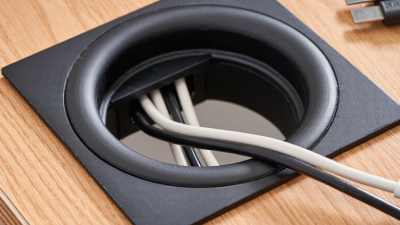
How to Replace a Desk Cable Grommet?

How to Replace a Desk Cable Grommet?

Ever notice how a loose or cracked cable grommet can suddenly turn your tidy desk into a bit of a hassle? Cables tend to snag on the edges, and dust loves to settle around the opening — not exactly ideal. Replacing the grommet is usually pretty doable, but a few things matter — like the material of your desk and the size of the hole. This guide will walk you through how to swap out your desk cable grommet, using some simple measurements and tools, plus practical tips to make sure you get the right fit before you order a new part. For example, that Square Office Desk Cable Grommet might seem straightforward, but the outer flange and inner hole need to match your desk perfectly. Remember what furniture designer Charles Eames famously said: “The details are not the details. They make the design.” And that definitely applies here. A snug, flush grommet not only keeps your cables protected from rough edges but also makes your desk look polished. First, measure the opening across its widest point and check how thick your desk is before choosing a replacement. When it’s time to remove the old one, go slow — a plastic pry tool can help prevent scratches if your surface is laminate or veneer. Don’t just yank it out; if the hole’s chipped or oddly shaped, or if you have a built-in power module, take a moment to look at the manufacturer’s instructions. Sometimes, what looks like a perfect match might still wobble or have sharp edges — easy to miss but important. This guide covers everything from removal and sizing to fitting and making sure the cables clear without a hitch — and don’t forget, if something doesn’t seem quite right, it’s worth a second look before you call it done.
Read more »
Charlotte By:Charlotte - September 24, 2026
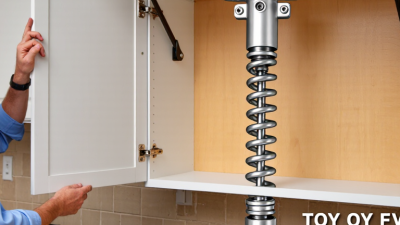
2026 Best How To Fix Cabinet Door Lift Support Guide

2026 Best How To Fix Cabinet Door Lift Support Guide

A cabinet door that slowly lifts, suddenly drops, or just refuses to stay open? It’s usually more than just a quick hardware swap. This 2026 guide breaks down how to fix a cabinet door lift support with some practical checks, careful measurements, and safer ways to adjust things. We focus mainly on common lift mechanisms, like cabinet door lift support gas springs—the kind you often find in kitchens, workshops, and storage units. Gary Katz, a seasoned finish carpenter and woodworking teacher, drops some real wisdom here: “If the lift feels off, just stop and figure out why.” Honestly, that advice is gold because using the wrong force rating can twist your door, loosen screws, or even mess up the cabinet frame. And even if a support looks similar, it might have a different stroke length, mounting angle, or Newton rating—that’s stuff you don’t want to overlook. Start by considering the door’s weight, its width, and how wide open it typically gets. Take a good look at both mounting brackets—check for bent studs, cracked plastic sockets, greasy cylinders, or stripped screw holes. Don’t just judge by sight, because tiny errors can make a big difference. And, of course, safety is key. Doing a controlled inspection beforehand often saves you from bigger, messier repairs later. If you’re working on this yourself, always support the door properly before removing any gas spring. It’s a small step that keeps your hands safe and stops the hinges from bearing unexpected stress. Sure, some fixes seem straightforward, but honestly, your first attempt might not be perfect—sometimes the new support feels too stiff, or the door doesn’t quite open all the way. Look at products from brands like Sugatsune America, Blum, and Häfele—these show why paying attention to specs really matters. Their hardware isn’t one-size-fits-all; it varies based on how the door is used and how heavy it is. This guide is all about encouraging you to double-check before you guess. It’s also about knowing when a simple adjustment is enough and when it’s better to just swap out the support for something more reliable.
Read more »
Amelia By:Amelia - September 22, 2026
How Far Can a Shelf Span Without Support 7 Tips?

How Far Can a Shelf Span Without Support 7 Tips?

Ever wondered how far you can extend a shelf without needing extra support? Well, it’s not just about the length. For example, a 24-inch shelf might be perfectly fine for books, but another one could bend under just a few heavy items. Lots of factors come into play—materials, thickness, depth, how moist the environment is, the type of fasteners you use, and where you’re placing the load. Solid hardwood behaves quite differently compared to plywood, particleboard, or laminated panels. Even a sturdy-looking shelf can give way if the weight piles up right in the middle. This guide is here to help you understand those practical limits, with clear measurements and real-world examples. We’re talking about typical household shelves, closet storage, floating designs, and wall-mounted brackets. Sure, manufacturer specs and building codes are useful, but they’re not the whole story—you really need to check the actual wall and shelf condition yourself. For instance, a bracket mounted directly onto a stud is usually way more reliable than just a weak anchor in hollow drywall. Those little details matter! Keep an eye out for signs of trouble: sagging, joint shifting, cracking sounds, or loose screws. Often, these things show up before the shelf actually falls. Think of it like a door without hinges — it’s kind of useless, right? Well, a shelf without proper support isn’t going to do its job either. That analogy isn’t perfect, but it’s a helpful reminder—just because it looks okay doesn’t mean it’s super strong. I tend to play it safe, especially with heavy books or kitchen gear, because replacing broken walls or damaged items costs a lot more in the long run. The safest bet? Measure your shelf, estimate how much weight you’ll put on it, and add a healthy safety margin. Generally speaking, shorter spans are safer. When you’re uncertain, consider adding a center support, lighten the load, or better yet, ask a professional for advice.
Read more »
Charlotte By:Charlotte - September 20, 2026
10 Tips for Choosing a Pneumatic Cabinet Door Lift

10 Tips for Choosing a Pneumatic Cabinet Door Lift

Picking the right Pneumatic Cabinet Door Lift can really impact things like safety, access ease, how good it looks, and how your cabinet holds up over time. At first glance, a lift might seem like just a tiny piece of hardware, but honestly, its force rating, where you mount it, and how it controls movement are things you notice every day. Whether it’s in workshops, kitchens, labs, or service areas, folks often open the same cabinet door hundreds of times each month. So even small design mistakes can become obvious pretty quickly. In this guide, I’m sharing ten handy tips to help you pick the right pneumatic cabinet door lift. We’ll cover stuff like the door’s weight, size, how wide it opens, gas spring pressure, the quality of the materials, and how much space you’ve got for install. We're also looking at whether it plays nicely with hinges and mounting brackets. The key is, reliable choices are based on actual measurements, not guesswork. Make sure to check the door in its real-life position—what you see in a catalog isn’t always what you get. From real-world experience, I can tell you—labels can sometimes be a bit misleading. Just because a product claims a certain force rating doesn’t mean it’ll perform the same way on your full door setup. Different materials like wood, glass, or even handles, along with uneven weight distribution, can all change how it feels and works. A lift that worked perfectly on one cabinet might feel underpowered on another. That’s a detail a lot of folks overlook, but it’s super important. Pro installers usually take a good look at the door’s balance before picking hardware. They also test how it moves, slowly and carefully, listening out for clicking sounds, binding, or sudden drops. These little clues tell you more than specs ever will. Of course, no checklist’s perfect—temperature, how often you use it, or limited space can trip you up. So, the best practice is to test everything in your actual setup. Doing your homework this way can mean a more stable, long-lasting, and smoother operation—plus, you avoid wasting money on stuff you don’t need.
Read more »
Charlotte By:Charlotte - September 18, 2026